
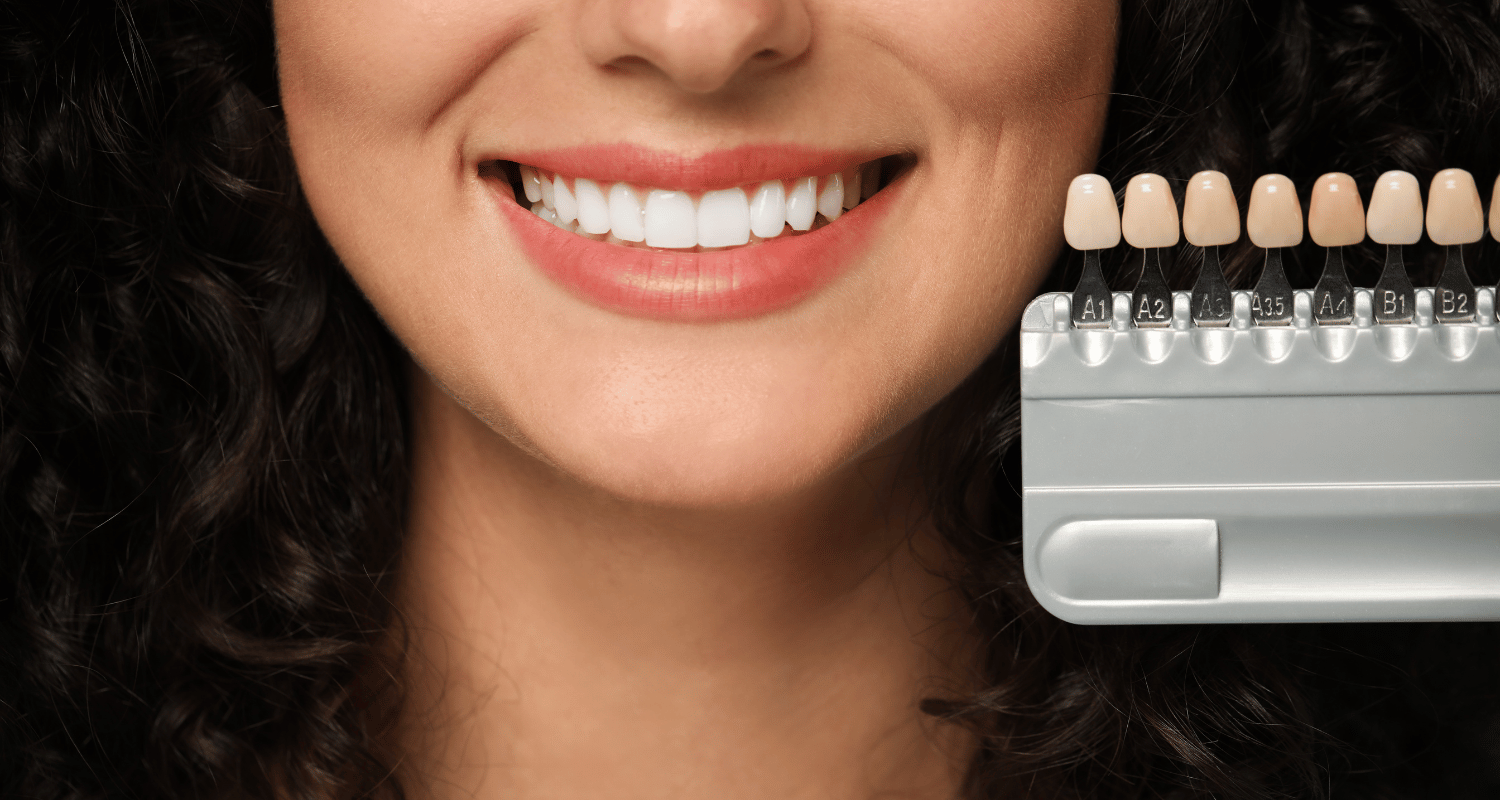
Ultra-Thin Veneers Price Comparison Ultra-thin veneers have become increasingly popular among patients who want cosmetic enhancement with minimal alteration to their natural teeth. These veneers are designed to be thinner than traditional porcelain options, offering a balance between conservative treatment and improved aesthetics. For foreign patients considering veneer treatment in Korea, understanding how ultra-thin veneers compare in cost with other veneer types helps clarify where they fit in terms of value, expectations, and long-term results. Rather than looking at a single price tag, it’s important to understand how material choice, fabrication complexity, and clinic services influence the final cost of ultra-thin veneers. What Are Ultra-Thin Veneers? Ultra-thin veneers are specially designed shells that require minimal tooth preparation. They are thinner than traditional porcelain veneers, which can preserve more natural enamel and reduce sensitivity. This less invasive approach appeals to many patients, but the thinness of the material requires precise laboratory fabrication and careful bonding technique. Minimal tooth preparation Slim and natural appearance Often suited for minor cosmetic corrections Because of their unique design, ultra-thin veneers are neither the cheapest nor always the most expensive option. Average Price Range in Korea In Korea, ultra-thin veneer prices are typically quoted per tooth and can vary depending on clinic specialization, material quality, and included services. Generally, they fall between composite and high-end porcelain options. Priced per tooth like other veneer types Usually more costly than basic composite veneers Often competitively priced with premium porcelain Knowing the price range helps when comparing quotes from multiple clinics. Ultra-Thin Veneers vs Traditional Porcelain Veneers One of the main cost comparisons patients consider is between ultra-thin and traditional porcelain veneers. While both options use ceramic materials, their preparation and fabrication differ. Ultra-thin may cost slightly more due to precision needs Traditional porcelain may require more tooth alteration Final aesthetics can be similar depending on case complexity The choice often comes down to personal preference and dental condition. Ultra-Thin Veneers vs Composite Veneers Compared to composite veneers, ultra-thin veneers usually cost more upfront. Composite veneers are applied directly to the tooth surface without lab work, which keeps costs lower but may not offer the same level of translucency or durability. Composite usually the least expensive Ultra-thin veneers higher due to lab fabrication Cost difference reflects material and technique For patients seeking a natural look without frequent maintenance, ultra-thin can be a middle-ground choice. What Affects Ultra-Thin Veneers Pricing Several factors influence how much ultra-thin veneers cost in Korea. Understanding these elements helps patients interpret price differences between clinics. Clinic experience and reputation Digital smile design utilization In-house laboratory vs outsourced fabrication Included follow-up and warranty policies These variables can subtly impact total cost. Material Quality and Aesthetic Outcomes Material quality plays a role in pricing. Premium ceramics that mimic natural enamel more closely may cost more, while standard ceramics that are still durable and aesthetic may be priced slightly lower. High-grade ceramics for best translucency Standard ceramics for balanced cost/value Material choice influences cost and look Discussing material options during consultation helps set expectations. Treatment Timeline and Cost Considerations Ultra-thin veneer treatments usually involve multiple visits for preparation, fitting, and placement. While treatment timeline doesn’t typically change the base cost, clinics that allocate more design time may charge higher fees. Multiple appointments for precision fitting Longer planning may affect price indirectly Efficient scheduling important for short stays Foreign patients should consider travel timing when planning treatment. Suitability and Long-Term Value Not all patients are ideal candidates for ultra-thin veneers. Cases with significant misalignment or bite issues may require traditional veneers or orthodontic preparation, which affects overall cost. When used appropriately, ultra-thin veneers can offer lasting aesthetics with less enamel removal. Best for mild cosmetic corrections Preserves natural tooth structure Value dependent on long-term goals Choosing the right type based on dental condition ensures better results. Cost Comparison With Other Veneer Types For practical budgeting, it helps to compare ultra-thin veneers with other options side by side. Composite: lowest upfront cost but shorter lifespan Ultra-thin: mid-range cost with strong aesthetics Porcelain: higher cost with long-term durability This comparison highlights how ultra-thin veneers fit into broader cost/value considerations. Final Thoughts Ultra-thin veneers in Korea typically cost more than composite veneers but may be comparable to or slightly less than premium porcelain options. The final cost reflects a balance of material quality, fabrication precision, and clinic expertise. Price reflects balance between conservatism and aesthetics Compare materials and clinic experience for best value Choose based on both cost and long-term goals
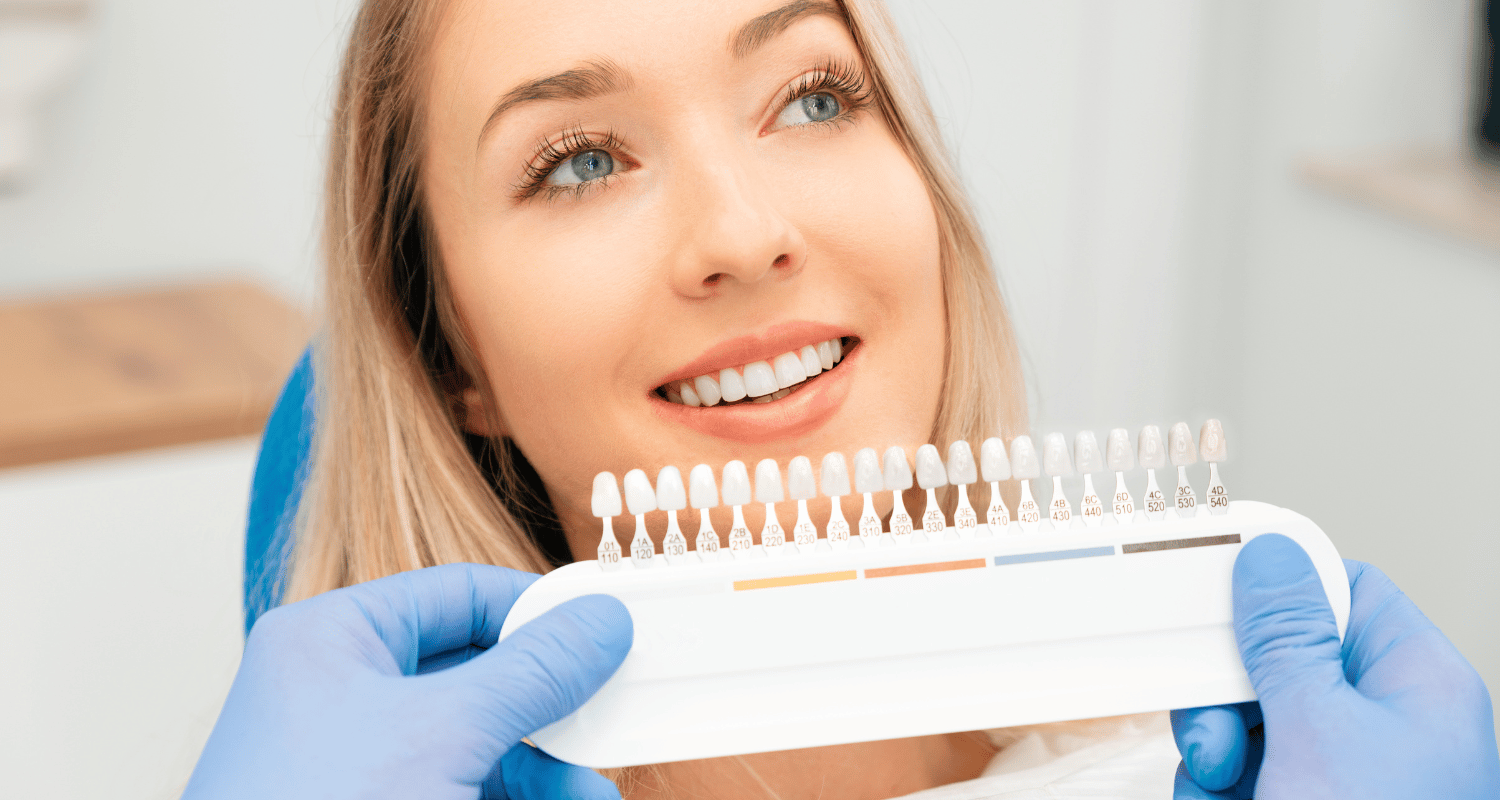
No-Prep Veneers Cost: Is It More Expensive? No-prep veneers have gained popularity among patients who want cosmetic improvement with minimal tooth alteration. Unlike traditional veneers—which require enamel removal before placement—no-prep veneers are bonded directly to the tooth surface without drilling. For foreign patients considering this option in Korea, a frequent question is whether no-prep veneers are more expensive than standard veneers, and if the cost difference is worth the benefits. Rather than focusing only on price, it’s helpful to understand how the no-prep process differs, why it may affect cost, and when it makes sense as an option. What Are No-Prep Veneers? No-prep veneers are ultra-thin shells designed to fit over the existing tooth without enamel reduction. Because less drilling is required, the procedure is often considered more conservative and less invasive. This appeals to patients concerned about preserving natural tooth structure, but the material and fabrication process can influence cost. Minimal to no enamel removal Ultra-thin veneer design Often used for minor cosmetic corrections The specialized manufacturing needed to make veneers both thin and strong can impact pricing. Average Price Range in Korea In Korea, no-prep veneers tend to be priced differently than standard veneers, but the exact range depends on material, clinic reputation, and included services. Many clinics price no-prep veneers at or slightly above the cost of traditional composite or porcelain veneers due to fabrication precision. Per-tooth pricing structure Often higher than basic composite veneers Comparable to or slightly above standard porcelain costs This means the price difference is usually moderate rather than extreme. Why No-Prep Veneers Can Cost More Several factors contribute to the pricing of no-prep veneers. Because they must be both thin and durable, the fabrication process often requires specialized techniques and precise lab work. Additionally, not all patients are ideal candidates, so more advanced planning is required. Precise digital design and fabrication High-strength, ultra-thin materials Careful case selection and planning These elements increase production difficulty and can influence cost. What the Quoted Price Typically Includes As with other veneer types in Korea, the quoted cost for no-prep veneers usually bundles multiple treatment steps. Knowing what is included ensures clearer budgeting and reduces the risk of unexpected fees during treatment. Initial consultation and smile assessment Digital scans or impressions Lab fabrication and final placement Confirming inclusions ahead of time helps with accurate cost comparison. Material Differences and Cost Impact Different materials for no-prep veneers can affect pricing. Some clinics use high-end ceramics that mimic natural enamel closely, while others use still-durable but more affordable options. Material choice can subtly elevate cost depending on aesthetic goals. Premium high-esthetic ceramics Lightweight but strong materials Material choice influences final price Patients should discuss material options during consultation. Clinic Experience and Pricing Variation Clinic expertise plays a major role in cost. Clinics that specialize in conservative cosmetic techniques and digital planning may charge more for no-prep veneers due to the skill and technology involved. General clinics offering no-prep veneers at low prices may compromise on customization. Specialized cosmetic clinics General dental practices Pricing reflects experience and precision Evaluating portfolios and before-after cases helps with comparison. Treatment Timeline and Scheduling Considerations No-prep veneer treatments can sometimes be completed with fewer appointments, but detailed planning is crucial. The timeline itself doesn’t usually affect cost dramatically, though clinics that allocate more planning time may price slightly higher. Fewer visits in some cases Detailed design increases planning time Scheduling convenience vs cost For short-term visitors, faster turnaround can be an advantage. Suitability and Long-Term Value No-prep veneers are not suitable for every patient. When chosen appropriately, they offer aesthetic improvements with minimal tooth alteration, which many patients value. However, long-term outcomes depend on careful case selection and quality fabrication. Best for minor cosmetic changes Preserves natural enamel structure Long-term value varies by case Understanding whether no-prep is right for you helps justify the cost. Comparing No-Prep with Standard Veneer Costs When comparing costs, it’s important to look beyond the per-tooth price and consider lifespan, maintenance, and aesthetic expectations. In many cases, no-prep veneers may cost slightly more upfront but offer value through reduced invasiveness and preservation of tooth structure. Slightly higher or comparable cost Conservative cosmetic option Value based on long-term goals Final Thoughts No-prep veneers in Korea are generally priced at the same level as or slightly above standard veneer options, reflecting the precise fabrication and careful planning involved. While not always significantly more expensive, the decision should be based on aesthetic goals, tooth condition, and long-term expectations rather than cost alone. No-prep cost is often comparable or moderately higher Material quality and clinic expertise influence price Choosing based on suitability ensures better outcomes
Zirconia Veneers Cost Breakdown Zirconia veneers are a premium cosmetic dentistry option in Korea, known for their strength, durability, and natural appearance. They are often chosen by patients who want a long-lasting smile improvement with excellent aesthetic results. For foreign patients considering this material, understanding the cost breakdown helps in comparing clinics and setting realistic expectations before treatment begins. Rather than focusing solely on the per-tooth price, it’s important to know what components contribute to the total cost and why zirconia veneers are priced the way they are in Korea. What Are Zirconia Veneers? Zirconia veneers are made from high-strength zirconium oxide ceramic, which is more robust than traditional porcelains and less prone to chipping or fracture. Due to their strength, they are suitable for both front and some back teeth and are often recommended for patients with stronger bite forces. Made from high-strength ceramic Excellent fracture resistance Suitable for functional and cosmetic needs This material’s durability and appearance make zirconia a premium veneer choice. Average Price Range in Korea In Korea, zirconia veneer prices are usually quoted per tooth, with the range depending on clinic reputation, location, and included services. Zirconia tends to be priced above composite and standard porcelain veneers, and often slightly higher than E-max. Per-tooth pricing structure Higher than composite and basic porcelain Often higher than E-max in some clinics Knowing the typical price range helps when comparing treatment quotes from different providers. What the Quoted Price Typically Includes Most Korean clinics bundle multiple treatment components into the quoted zirconia veneer price, minimizing unexpected extra charges. Understanding what is included helps foreign patients budget accurately. Initial consultation and smile assessment Tooth preparation and digital scans Lab fabrication of zirconia veneers Final placement and bite adjustment Clear communication about inclusions is key to avoiding misunderstandings. Cost Breakdown by Treatment Stage Zirconia veneer pricing can be thought of as the sum of several stages, each contributing to the final cost. Clinics vary in how they itemize these charges, but the main elements are generally consistent. Diagnostic imaging and planning Tooth preparation and mock-ups Lab fabrication time and material cost Placement, bonding, and finishing This breakdown illustrates why high-quality zirconia veneers carry a premium. Factors That Affect Zirconia Pricing Several variables influence how much you’ll pay for zirconia veneers in Korea. These factors should be considered when comparing multiple clinic quotes. Clinic location and rental costs Dentist experience and specialization Whether the lab is in-house or outsourced Included follow-up visits and warranty coverage These components often explain price differences between clinics. Cost Differences Between Clinic Types Luxury cosmetic clinics in Seoul often charge more for zirconia veneers due to higher service levels, deeper customization, and premium patient care. Budget clinics may offer competitive pricing but with fewer included perks. Premium clinics with advanced planning Mid-range clinics balancing cost and service Budget clinics with streamlined processes Understanding where a clinic fits helps set expectations. Treatment Timeline and Cost Implications The time required for zirconia veneer treatment can affect cost indirectly, especially if multiple visits are needed for adjustments or preparation. Longer planning and fabrication time Multiple fitting appointments Time investment influences pricing Foreign patients often weigh timeline against total cost when planning trips. Aftercare, Adjustments & Warranty Follow-up care is another component of total value. Some clinics include limited aftercare in the base price, while others may charge for extended services. Post-placement adjustments included in many plans Extended warranties may cost extra Clear policies reduce future surprises Knowing what’s included protects against unexpected expenses. Cost Comparison: Zirconia vs Other Veneer Types For budget planning, it’s useful to compare zirconia veneers with other materials. While more expensive initially, zirconia’s durability often makes it a cost-effective choice over time. More expensive than composite and standard porcelain Comparable or slightly higher than E-max Long lifespan can lower long-term cost This perspective helps patients decide based on value, not just price. Final Thoughts Zirconia veneers in Korea offer durability and aesthetics at a premium price, but understanding the cost breakdown gives clarity on what you’re paying for. The total cost reflects material quality, dentist expertise, clinic positioning, and the comprehensiveness of included services. Prices vary based on treatment stages and clinic type Ask for clear cost breakdowns before committing Balance initial cost with long-term value and durability